Electronic vs. Keyed Handgun Safes: Which Is Right for You?
Choosing a handgun safe involves several important decisions, including how authorized users will open it.
Electronic and mechanical key-operated locking systems offer different advantages. Understanding those differences can help firearm owners select a safe that fits their storage requirements.
Electronic Handgun Safes
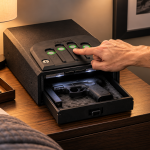
Electronic locks allow authorized users to open a safe using a programmed access code.
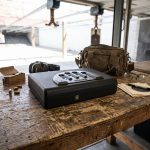
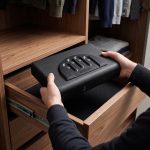
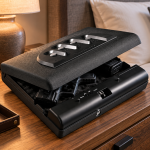
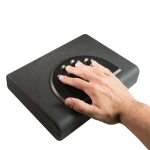
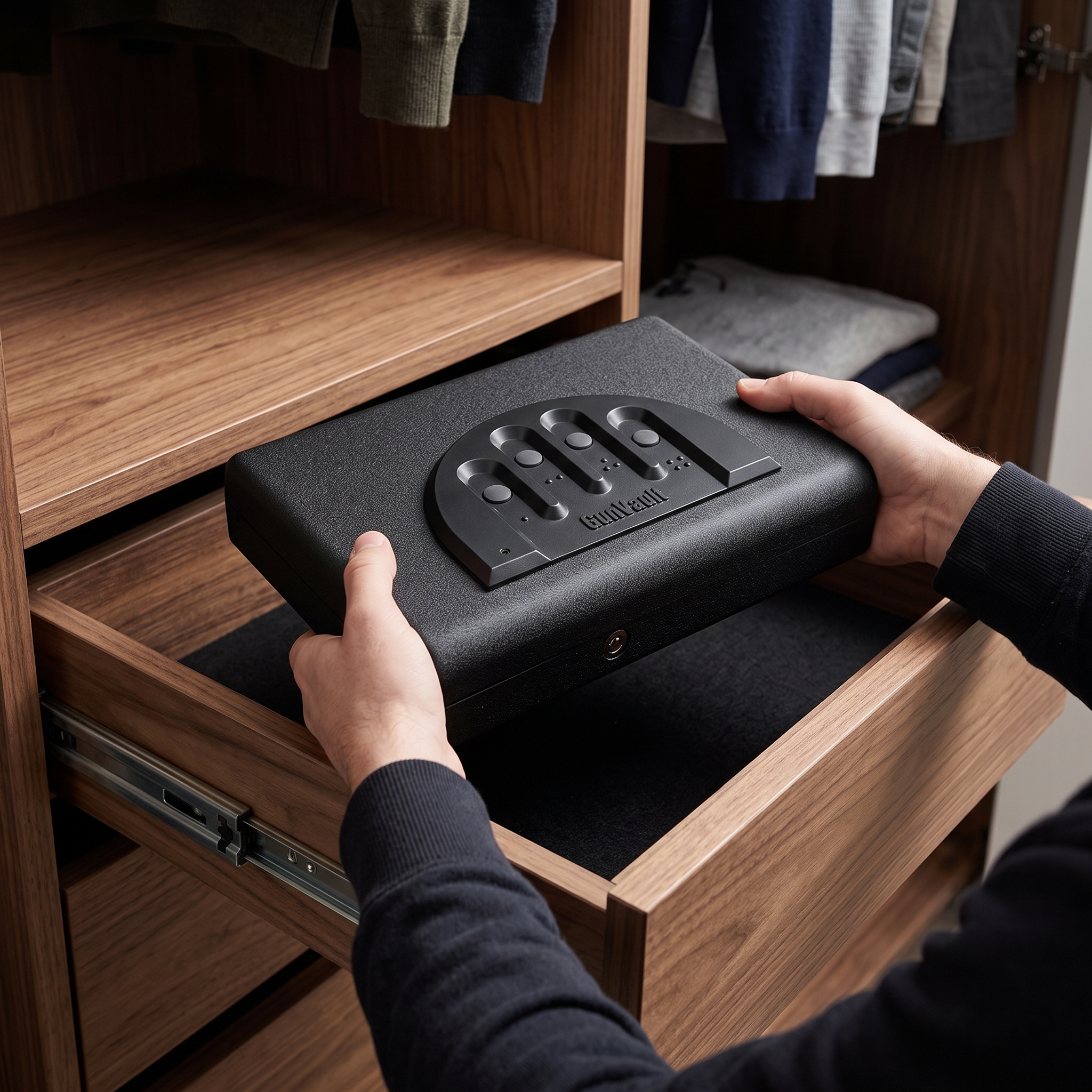
The GunVault MV500 MicroVault features the patented No-Eyes® keypad, designed for touch-based entry without requiring users to look directly at the controls.
Electronic systems can offer convenient access, but owners should understand battery requirements and regularly test their equipment.
Mechanical Key Access
Key-operated locks provide a straightforward alternative without relying on an electronic code.
However, physical keys must be stored securely. Leaving a backup key near the safe can undermine the purpose of controlled access.
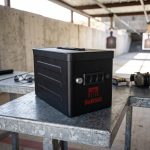
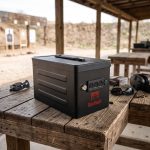
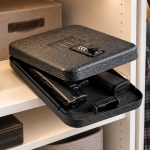
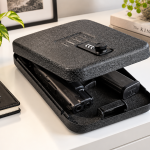
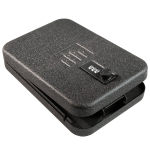
The GunVault NanoVault NV300 represents the portable-storage category, where compact dimensions and simple operation are important considerations.
Consider Your Intended Use
A handgun safe used primarily at home may have different requirements from one intended for travel.
Evaluate the locking system, construction, dimensions, mounting options, and storage environment before purchasing.
Security Requires Good Habits
Regardless of the locking mechanism, secure firearm storage depends on preventing unauthorized access.
Keep access credentials and keys restricted, inspect locking components regularly, and follow the manufacturer’s instructions.
Explore the GunVault MV500 MicroVault and NanoVault NV300 to compare compact handgun-storage options for your needs.